Yoga for Better Sleep: How Regular Practice May Help Calm Your Mind
By Nagendra Thakur | Kshiti Yoga Studio, Bhopal
Stretch. Transform. Heal.
Do you feel tired when you go to bed, but the moment you close your eyes, your mind starts thinking about tomorrow's responsibilities, yesterday's problems, and everything in between?
Overthinking, stress, and irregular routines can make it difficult to settle down at night.
Yoga for better sleep combines regular physical activity, mindful breathing, and relaxation to help you manage stress and establish a healthier bedtime routine. Research suggests that yoga may improve sleep quality for some people, although it is not a guaranteed cure for insomnia.
As a yoga teacher, I believe consistency is important. A suitable morning practice, combined with a gentle evening routine, can help you build a healthier relationship with movement, breathing, and rest.
Let's explore what happens in the nervous system, what clinical research says, and which yoga practices you can try.
How Does Your Nervous System Affect Sleep?
Your autonomic nervous system helps regulate functions such as heart rate, digestion, and breathing. It includes two important branches.
1. The sympathetic nervous system
Often associated with the body's fight-or-flight response, the sympathetic nervous system helps you respond to challenges. It supports alertness and prepares you for action.
When you are under stress, mentally overstimulated, or worried about something, settling down may become more difficult.
2. The parasympathetic nervous system
The parasympathetic nervous system supports functions associated with rest, digestion, and recovery. Its activity is associated with a calmer physiological state.
Gentle movement, comfortable breathing, and relaxation may help some people reduce stress and prepare for sleep.
However, sleep is more complex than simply switching from the sympathetic to the parasympathetic nervous system. Circadian rhythms, sleep habits, medical conditions, medications, and psychological factors can all affect sleep.
The aim of yoga is not to switch off one branch of the nervous system. It is to develop a sustainable practice that supports physical well-being, stress management, and relaxation.
What Does Clinical Research Say About Yoga and Sleep?
Yoga is often recommended as part of a healthy lifestyle, but it is important to distinguish personal experience from scientific evidence.
Here are three relevant research findings.
1. Indian research: Yoga and insomnia
A 2023 randomized controlled trial conducted by researchers affiliated with Swami Vivekananda Yoga Anusandhana Samsthana (S-VYASA), Bengaluru, and Uttarakhand Ayurved University included 120 participants with acute insomnia.
Participants were assigned to yoga, an Ayurvedic intervention, or a control group. Of these, 112 were included in the reported per-protocol analysis.
The researchers reported improvements in sleep quality, stress, cognitive measures, and quality of life. The findings suggest that yoga may be a useful approach to explore for sleep and stress management.
However, this trial investigated a particular yoga intervention. It does not establish that every yoga style or bedtime sequence produces the same results.
2. Indian research: Yoga Nidra and chronic insomnia
A randomized controlled trial published in 2021 compared Yoga Nidra with cognitive behavioral therapy for insomnia (CBT-I) in 41 patients with chronic insomnia.
Both groups showed improvements in several sleep measures. The Yoga Nidra group also showed changes in some objectively measured sleep parameters and a reduction in salivary cortisol.
These findings are encouraging, but the study was relatively small. Yoga Nidra is also a specific guided relaxation practice, so its results should not automatically be applied to Ashtanga Yoga or individual yoga postures.
3. Research from the United States: Yoga and sleep quality
The US National Center for Complementary and Integrative Health reports that some studies have found improvements in sleep quality following yoga. However, evidence that yoga specifically treats insomnia remains limited.
For adults with chronic insomnia, cognitive behavioral therapy for insomnia, commonly called CBT-I, is a strongly recommended evidence-based treatment.
What does this mean for you?
Yoga may help support relaxation, stress management, and better sleep quality. Regular practice is a reasonable part of a healthy routine, but it should not replace professional care when persistent sleep difficulties need treatment.
Can Ashtanga Yoga Help You Sleep Better?
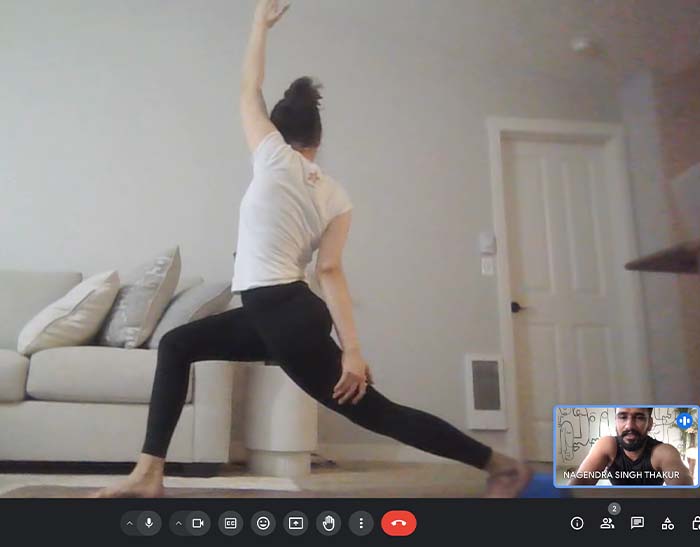
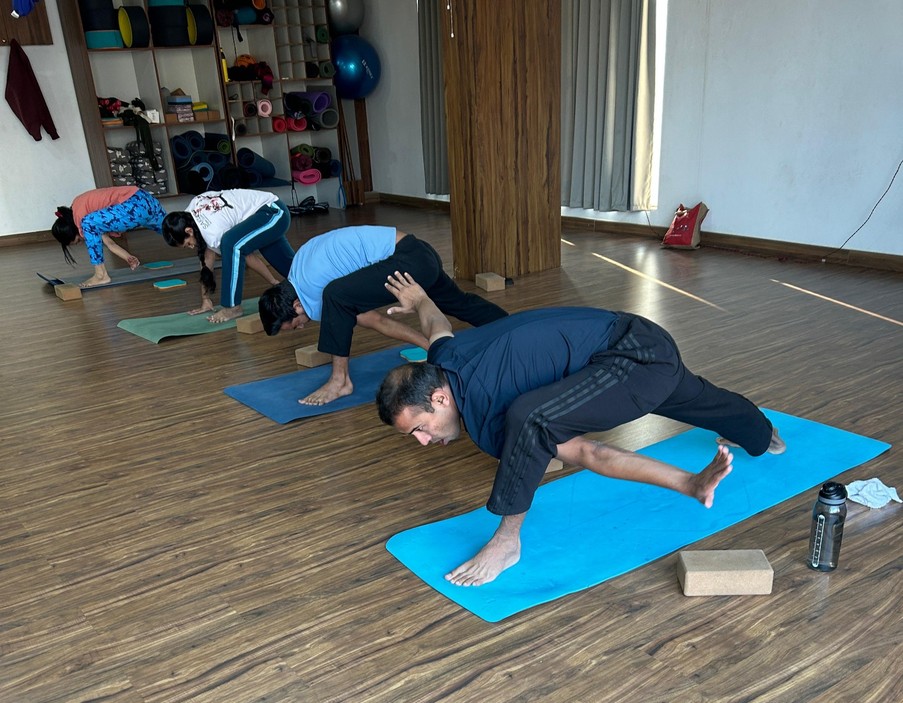
Ashtanga Yoga is a dynamic practice that combines movement, breathing, concentration, and a structured sequence of postures.
In my experience as a yoga teacher, I have found the Ashtanga Primary Series, particularly the standing sequence, valuable for my own physical and mental well-being. I have also observed that some students find regular yoga practice helpful for managing stress.
I find the combination of physical movement, focused attention, and coordinated breathing particularly valuable.
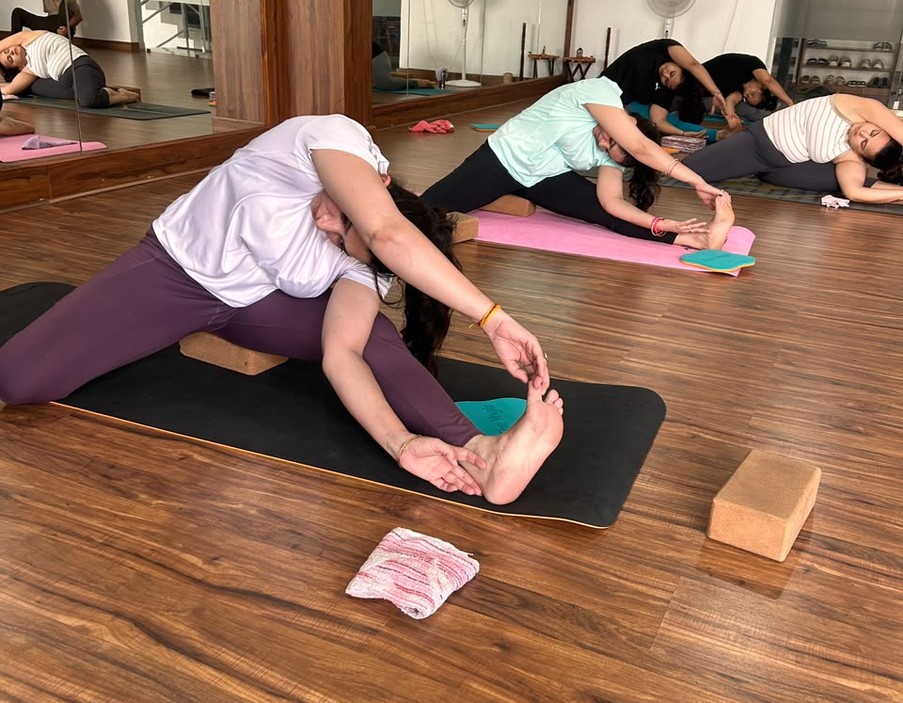
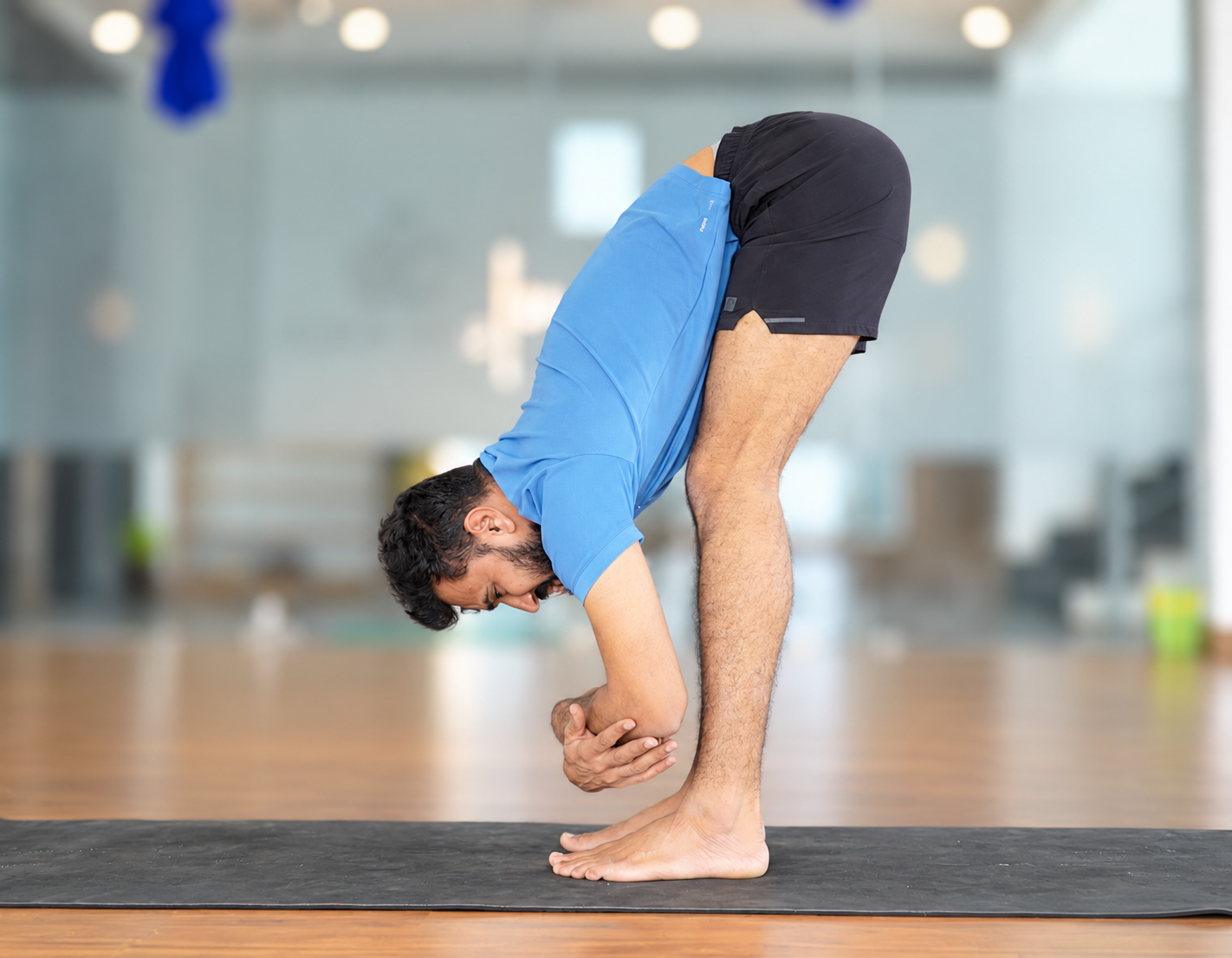
The standing sequence includes forward folds, lunges, and other movements that require attention and coordination. Forward folds may feel calming for some practitioners, but we should not assume that they directly improve sleep through a single physiological mechanism.
These observations are my personal experience as a practitioner and teacher, not proof that Ashtanga Yoga treats insomnia.
Should you practise Ashtanga in the morning?
If you enjoy a dynamic practice, the morning can be a convenient time to practise consistently.
You could try:
- The Ashtanga Primary Series, adapted to your experience and ability.
- A shorter standing sequence when you have limited time.
- Gentle Nadi Shodhana (alternate-nostril breathing).
- Kapalabhati, if appropriate for your health and experience, under suitable instruction.
Kapalabhati is an active breathing technique. It is not the first technique I would choose when trying to relax immediately before sleep. Avoid forceful breathing if it is unsuitable for your health, and seek qualified guidance if you are unsure.
You do not need to practise the entire Primary Series every day. Choose a suitable duration, respect your body's limitations, and build a consistent routine.
A Gentle Evening Yoga Routine for Better Sleep
After a busy day, your evening practice can be different from your morning practice.
Rather than focusing on intensity, deep stretching, or physical achievement, use this time to slow down and become more comfortable.
Try this gentle 10–15-minute routine.
1. Child's Pose (Balasana) — 1–2 minutes
Rest your forehead on a cushion if needed. Let your shoulders relax and breathe naturally.
Do not force your hips towards your heels. Adjust the position until you feel comfortable.
2. Supported Pigeon Pose — 1 minute per side
Use cushions or blocks to support your body and avoid forcing the hips.
If you experience knee or hip pain, choose a more comfortable alternative. You do not need a deep stretch to relax.
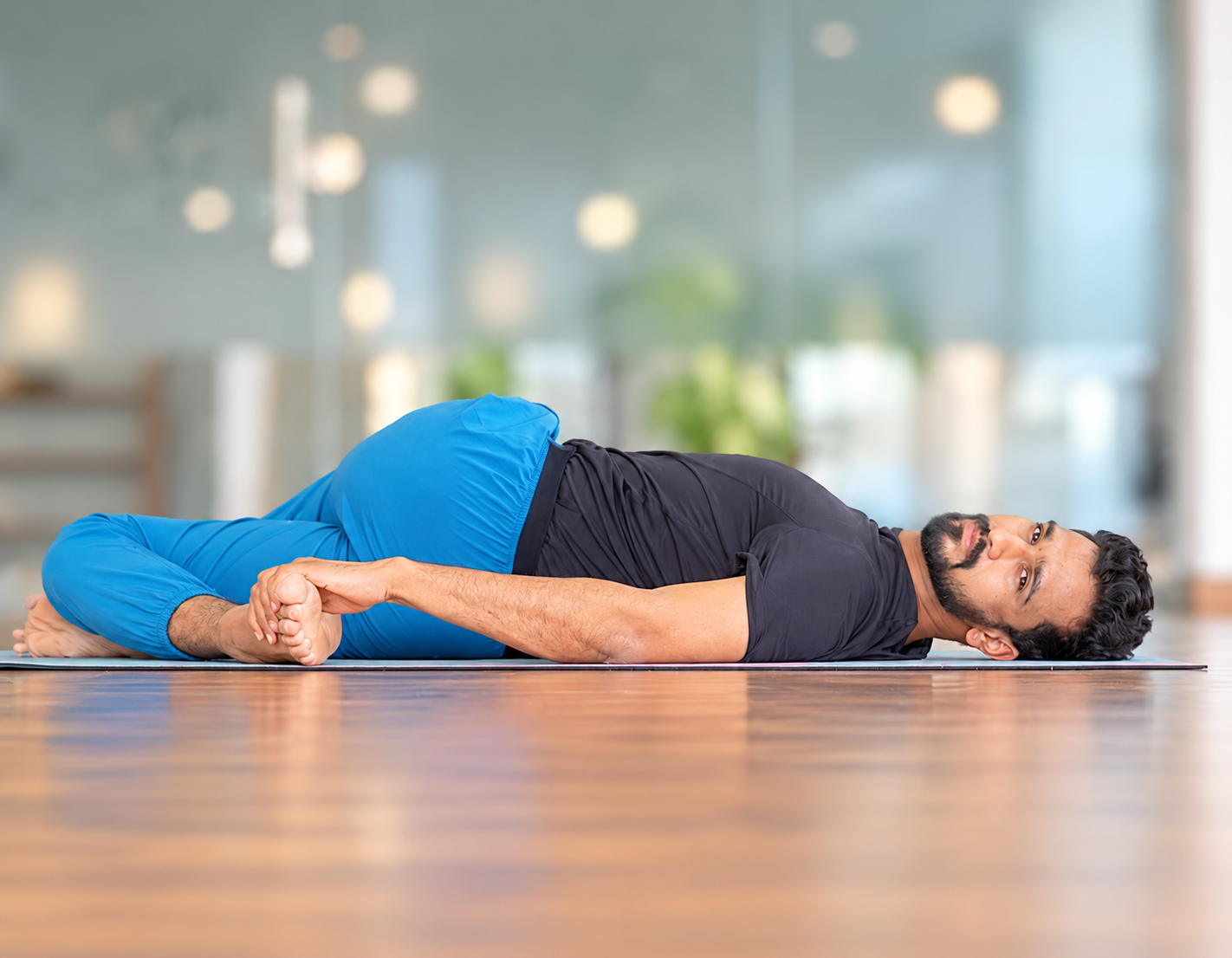
3. Supported Supta Baddha Konasana — 2–3 minutes
Lie on your back with the soles of your feet together. Place cushions beneath your thighs and support your back if needed.
Allow your legs to rest rather than actively pushing your knees towards the floor.
4. Gentle abdominal breathing — 2 minutes
Lie comfortably and place one hand on your abdomen.
Allow your abdomen to move naturally as you breathe. Keep your breathing soft and comfortable rather than taking exaggeratedly deep breaths.
5. Bhramari breathing — a few gentle rounds
Bhramari, or humming-bee breathing, involves producing a gentle humming sound while exhaling.
If it feels comfortable, try a few rounds without holding your breath or straining. Some people find the practice soothing, although research on this specific technique as a treatment for insomnia is limited.
6. Legs Up the Wall (Viparita Karani) — 2–3 minutes
Rest your legs against a wall or on a suitable support, provided the position feels comfortable.
You can use a cushion beneath your head and leave your arms relaxed by your sides. Skip the pose if it causes discomfort or is unsuitable for you.
What about Supta Virasana and Frog Pose?
Both can be included in some yoga practices, but neither is essential for a bedtime routine.
Supta Virasana can place considerable stress on the knees and ankles. Avoid it if you have knee or ankle pain, limited mobility, or difficulty entering and leaving the position safely.
Frog Pose can strain the hips, groin, and knees, particularly when the stretch is forced. Choose a supported version only if it suits your body.
You do not need to perform every posture. Two or three comfortable positions, followed by quiet breathing, may be enough for your evening practice.
Which Breathing Exercises Can You Try Before Bed?
Breathing practices can provide a simple transition between the activity of the day and your bedtime routine.
Consider these options.
Nadi Shodhana (alternate-nostril breathing): Practise gently without breath retention if that feels comfortable. Avoid forcing the breath or trying to achieve a particular breathing ratio.
Bhramari (humming-bee breathing): Try a few relaxed rounds if the humming feels soothing.
Gentle abdominal breathing: Lie down, allow your abdomen to move naturally, and pay attention to the comfortable rhythm of your breathing.
Kapalabhati is more active and is generally better suited to an appropriate daytime practice than a wind-down routine.
Stop any breathing exercise if you feel dizzy, breathless, or uncomfortable.
These practices may help you relax, but none guarantees that you will fall asleep.
What If You Are Already in Bed and Cannot Sleep?
If you are lying awake and overthinking, start with something simple.
- Relax your jaw, shoulders, and hands.
- Allow your breathing to return to a comfortable, natural rhythm.
- Notice the movement of your abdomen without trying to control every breath.
- When thoughts appear, acknowledge them without feeling that you must solve every problem immediately.
- If you become frustrated or remain awake for a long time, get out of bed and do something quiet in dim light. Return when you feel sleepy.
The goal is not to force your mind to become silent. It is to reduce the struggle around sleep.
If you experience persistent insomnia, seek advice from a healthcare professional. CBT-I is an evidence-based treatment that may help address the thoughts and behaviours contributing to chronic insomnia.
Why Regular Yoga Practice Matters
A single yoga session may leave you feeling relaxed, but long-term well-being is built through habits that you can maintain.
Try to establish a routine that includes:
- Regular physical activity during the day.
- A consistent time for going to bed and waking up.
- A suitable morning yoga practice.
- Gentle relaxation in the evening if it helps you unwind.
- Less caffeine close to bedtime.
- A comfortable sleep environment.
There is no universal rule that everyone must practise yoga in the morning or avoid yoga in the evening. Some people enjoy vigorous morning practice, while others find gentle evening movement helpful. Pay attention to how your body responds.
My Final Advice as a Yoga Teacher
At Kshiti Yoga Studio, I believe yoga should be a sustainable practice that supports the way you live, move, and recover.
My own experience with Ashtanga Yoga has influenced how I think about regular movement and stress management. Research into yoga-based interventions and Yoga Nidra also provides encouraging evidence that certain practices may improve aspects of sleep.
At the same time, every person's experience is different. Yoga is one part of a broader approach to healthy sleep, not a guaranteed cure for insomnia.
Start with a routine you can maintain. Practise with awareness. Give yourself time to unwind.
Better sleep is not about forcing yourself to sleep. It is about building habits that help you feel ready to rest.
I'm Nagendra Thakur from Kshiti Yoga Studio, Bhopal.
Stretch. Transform. Heal.
For a research-based article, I recommend linking the study titles directly to the original publications. You can add a short References and Further Reading section at the end of the WordPress post.
Use these sources:
- Indian randomized controlled trial: Yoga and insomnia — Read the 2023 study on PubMed
- Indian randomized controlled trial: Yoga Nidra and chronic insomnia — Read the 2021 study on PubMed
- Indian preliminary study: Yoga and sleep quality in acute insomnia — Read the 2022 study on PubMed
- US National Center for Complementary and Integrative Health: Sleep and complementary approaches — Read the NCCIH research overview
The third study is optional if you want to keep the article shorter. If you include it, explain that it was a preliminary study involving only 24 participants.