Yin Yoga: Benefits for Stress Relief, Hip Flexibility, Emotional Wellbeing and Better Sleep
Yin Yoga is more than a slow yoga practice. It is an opportunity to slow down, release unnecessary tension, improve body awareness, and reconnect with yourself. In a world where we are constantly moving, working, and thinking, Yin Yoga reminds us of the importance of stillness.
Unlike dynamic yoga styles such as Vinyasa Yoga and Power Yoga, Yin Yoga involves holding postures for longer periods while focusing on breathing, physical sensations, and mindfulness. This approach allows you to explore your range of motion gradually and create time for self-reflection.
At Kshiti Yoga Studio, Bhopal, we offer online and offline Yin Yoga classes for people who want to improve their flexibility, develop mindfulness, and make more time for their physical and emotional wellbeing.
Whether you are a beginner, a fitness enthusiast, or someone looking for a calmer approach to yoga, Yin Yoga can be a valuable addition to your routine.
What Is Yin Yoga?
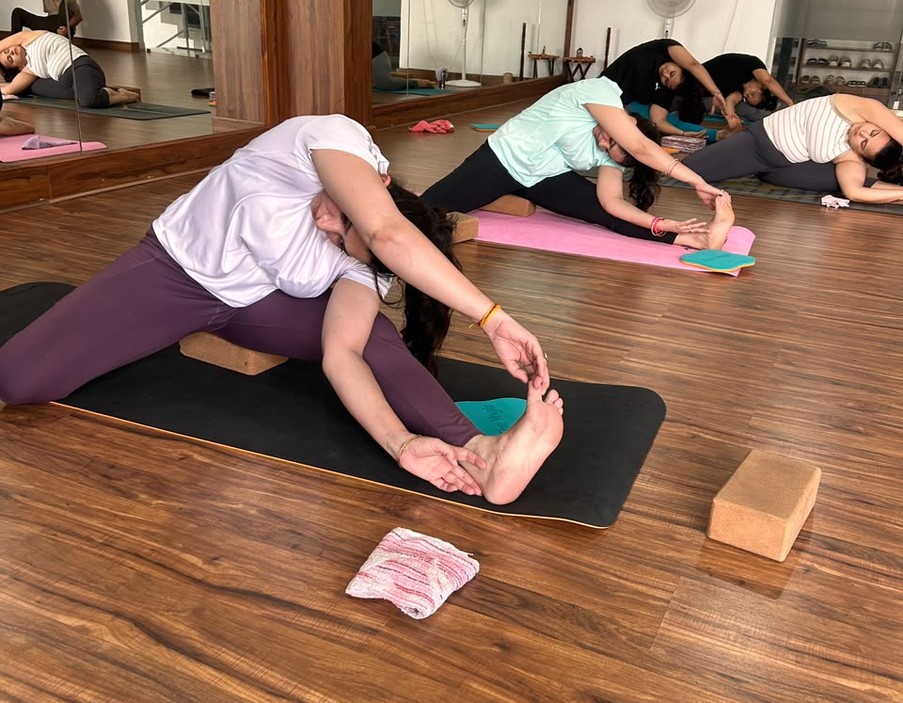
Yin Yoga is a slow-paced style of yoga in which postures are generally held for two to five minutes, depending on the pose, the practitioner's experience, and individual comfort.
While dynamic yoga practices emphasise continuous movement and muscular engagement, Yin Yoga encourages you to settle into a posture, reduce unnecessary muscular effort, and observe the sensations that arise.
The practice places particular emphasis on working with the body's range of motion and applying gentle, sustained loading to tissues around the muscles and joints, including connective tissues such as fascia, tendons, and ligaments. However, Yin Yoga should never involve forcing a joint or aggressively stretching a tissue.
The intention is not to push your body to its limits. It is to find an appropriate position, breathe naturally, remain aware, and give yourself time.
In Yin Yoga, progress is not always about going deeper into a pose. Sometimes, progress means learning to listen to your body.
1. Yin Yoga for Stress Relief and Emotional Wellbeing
One of the most valuable aspects of Yin Yoga is the time it gives you to be with yourself.
Think about your everyday life. You wake up, check your phone, manage responsibilities, work, interact with people, and make decisions. Your attention constantly moves from one task to another.
In this routine, it is easy to forget to check in with yourself.
Yin Yoga creates an opportunity to pause.
As you hold a posture and focus on your breathing, you can begin to observe your thoughts without immediately reacting to them. You may notice restlessness, worries about work, memories, or emotions that usually go unnoticed when you are busy.
There is no need to force these thoughts away. Instead, the practice encourages you to acknowledge them and gently bring your attention back to your breath and body.
This process can help develop mindfulness and self-awareness.
The Importance of Self-Reflection
When you spend time observing your thoughts, you may begin to recognise patterns in how you think, feel, and respond to situations.
You might notice what causes stress, what makes you feel overwhelmed, or why certain situations repeatedly affect you.
Over time, this awareness may help you pause before reacting, understand your emotions more clearly, and make more conscious decisions.
This is one of the reasons Yin Yoga can feel deeply personal. You are not simply holding a physical posture; you are also creating space to observe your inner experience.
Yin Yoga does not guarantee emotional release, and it is not a replacement for professional mental health support. However, its combination of stillness, breathing, and mindfulness can be a useful part of a broader approach to emotional wellbeing.
2. Yin Yoga for Tight Hips and Hip Flexors
Modern lifestyles often involve long hours of sitting, whether at a desk, in a car, or at home. Limited movement can contribute to a feeling of stiffness around the hips and surrounding muscles.
Yin Yoga includes several postures that explore hip mobility, including the inner thighs, outer hips, glutes, and hip flexors.
Poses such as Butterfly, Frog, Sleeping Swan, Dragon, and Square Pose allow you to explore different hip positions at a controlled pace.
Because you remain in each posture for longer, you have time to notice how your body responds and make adjustments according to your comfort.
Is Yin Yoga Good for Men With Tight Hips?
Yin Yoga can be particularly appealing to men who spend long hours sitting, participate in strength training, or experience restricted hip mobility.
However, tight hips are not exclusive to men. Hip mobility varies considerably between individuals and is influenced by activity, anatomy, training habits, and other factors.
The advantage of Yin Yoga is that it allows both men and women to explore comfortable positions without the pressure to perform fast movements or achieve advanced poses.
The goal is not to force your hips to open. It is to explore your available range of motion with patience and consistency.
3. Yin Yoga and Connective Tissue
One of the distinguishing features of Yin Yoga is its emphasis on longer-held postures and the body's connective tissues.
Connective tissues include fascia, tendons, ligaments, and other structures that support and connect different parts of the body.
Fascia surrounds and connects muscles and other tissues. Tendons connect muscles to bones, while ligaments help connect bones and stabilise joints.
Movement and appropriately dosed mechanical loading are important for the health of the musculoskeletal system. Yin Yoga offers a different way to explore these tissues through gentle, sustained positions rather than repeated dynamic movements.
However, the effects of prolonged Yin Yoga holds on specific connective tissues are still being studied. It would be inaccurate to claim that every Yin Yoga posture directly stretches or lengthens all these structures.
For safe practice, the emphasis should remain on controlled sensations, appropriate positioning, and avoiding excessive stress on joints.
Yin Yoga can complement a balanced movement routine that also includes strength, stability, and dynamic mobility exercises.
4. Yin Yoga for Relaxation and Better Sleep
Many people feel physically tired at the end of the day but continue to experience racing thoughts, mental restlessness, or difficulty unwinding.
Yin Yoga can provide a quiet transition between a busy day and bedtime.
Holding comfortable poses, breathing naturally, and reducing distractions may help you develop a calming evening routine. Over time, this practice may help you become more aware of the difference between being physically exhausted and feeling mentally settled.
Research also offers some encouraging findings.
A 2018 randomised controlled trial published in PLOS ONE studied five weeks of Yin Yoga and a combined programme incorporating Yin Yoga, mindfulness, and psychoeducation among adults reporting moderate to high stress.
Researchers found improvements in anxiety and sleep-related problems in both intervention groups compared with the control group. The combined programme also showed improvements in perceived stress and depression symptoms.
These findings are promising, although further research is needed to establish the specific effects of Yin Yoga and how consistently these benefits occur.
Yin Yoga should be viewed as a complementary relaxation practice rather than a guaranteed treatment for insomnia or other sleep disorders.
For people who struggle with sleep, it may be worth incorporating a short, gentle Yin Yoga session into an evening routine alongside healthy sleep habits.
5. Yin Yoga and Emotional Release: What Should You Know?
Many Yin Yoga practitioners describe experiencing unexpected emotions during or after a session. Some feel peaceful, while others notice sadness, frustration, or a stronger awareness of their thoughts.
Long periods of stillness may create space to notice feelings that are usually overlooked during a busy day.
In traditional Yin Yoga discussions, the hips and pelvis are sometimes associated with emotional release. However, there is insufficient scientific evidence to conclude that particular emotions are physically stored in the hips or that a hip-opening posture releases specific emotions from that area.
A more evidence-conscious explanation is that stillness, mindful breathing, and attention to bodily sensations may help some people recognise and process their emotional experiences.
The important thing is not to force an emotional response.
If a posture feels uncomfortable, you can modify it, use support, or leave the position. You are never required to remain in a pose to achieve an emotional release.
Emotional awareness begins with noticing what you feel, not forcing yourself to feel something.
6. Popular Yin Yoga Poses for Flexibility and Relaxation
Yin Yoga includes many postures that can be modified for different bodies, experience levels, and mobility needs.
Here are some popular poses you may encounter in a Yin Yoga class.
| Yin Yoga pose | Main area of focus |
|---|---|
| Butterfly Pose (Baddha Konasana) | Inner thighs and hips |
| Frog Pose | Inner thighs and hip mobility |
| Sleeping Swan or Pigeon variation | Outer hips and glutes |
| Square Pose (Fire Log Pose) | Hip rotation and outer hips |
| Dragon Pose | Front of the hip and hip flexors |
| Half Butterfly Pose | Back of the extended leg and hips |
| Caterpillar Pose | Posterior body and forward folding |
| Seated Forward Fold (Paschimottanasana) | Back of the legs and posterior body |
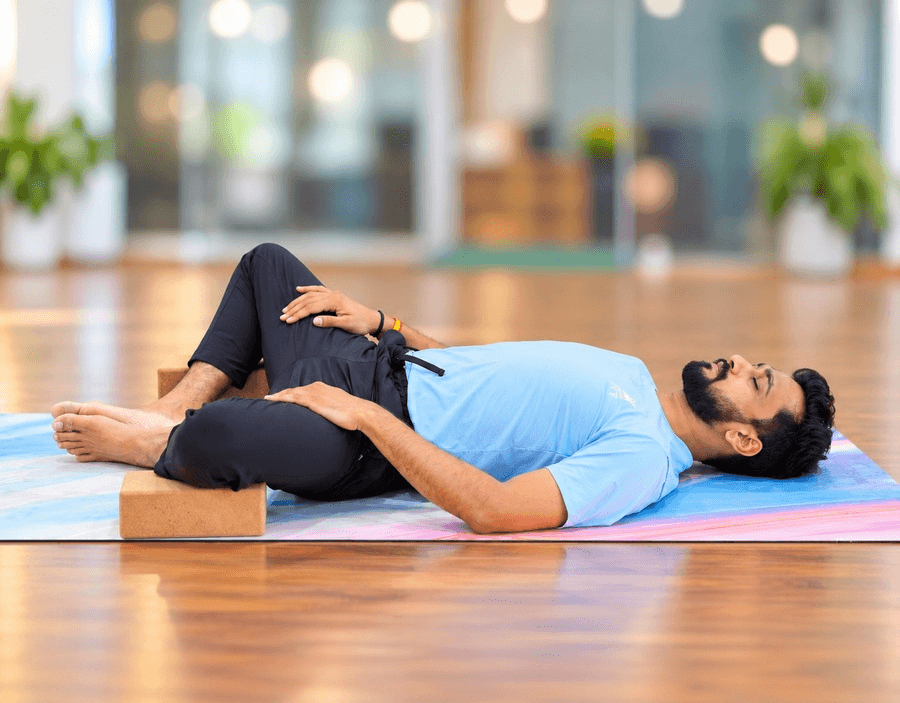
| Supine Bound Angle Pose (Supta Baddha Konasana) | Inner thighs and relaxation |
| Supported Fish Pose | Chest and upper body |
| Sphinx Pose | Gentle spinal extension |
| Shoelace Pose | Outer hips and hip rotation |
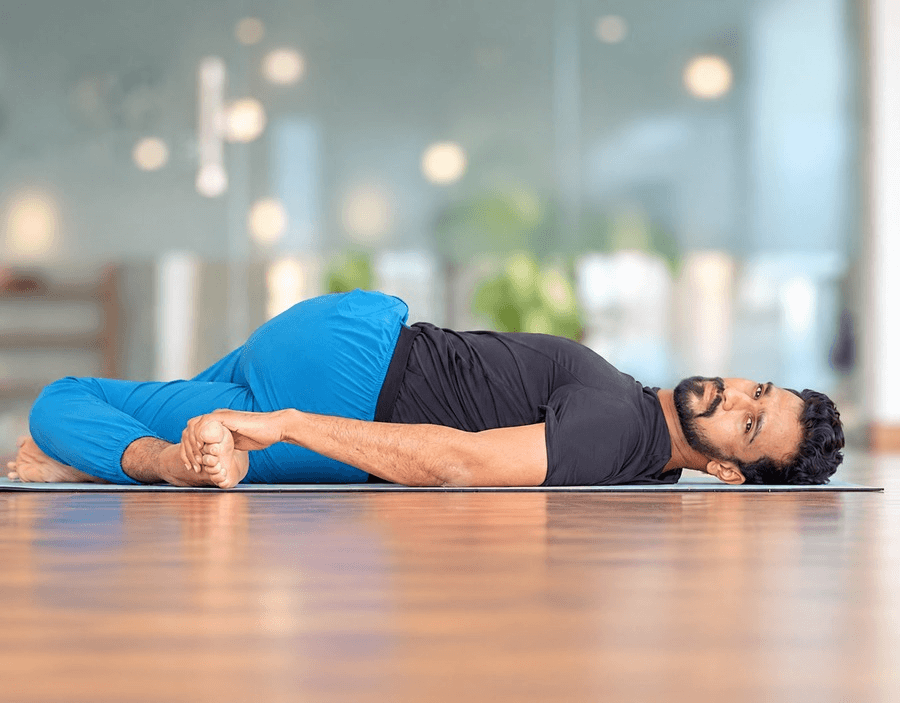
| Reclined Twist | Gentle spinal rotation |
| Legs-Up-the-Wall Pose | Supported relaxation |
| Supine Hero Pose (Supta Virasana) | Front of the thighs, when appropriate |
Not every posture is suitable for every person. For example, Frog Pose can create a strong sensation around the inner thighs and knees, while Supine Hero Pose requires particular care because of the demands it places on the knees and ankles.
Props such as cushions, bolsters, blankets, and blocks can help make a posture more comfortable and accessible.
A qualified teacher can help you select suitable variations based on your mobility and individual needs.
7. How Long Should You Hold Yin Yoga Poses?
Yin Yoga is often associated with longer holds, commonly around two to five minutes per posture. However, the appropriate duration depends on the pose, your experience, and how your body responds.
If you are new to Yin Yoga, you do not need to begin with long holds.
Start with a comfortable position, remain aware of your breathing, and notice the sensations in your body. If you feel pain, numbness, tingling, or excessive pressure around a joint, change the position or come out of the pose.
Keep these principles in mind:
- Find your appropriate edge: Aim for a mild to moderate sensation, not pain.
- Relax unnecessary effort: Avoid forcing your body deeper into a stretch.
- Breathe naturally: Do not hold your breath or force your breathing.
- Use support: Cushions, bolsters, and blocks can help you maintain comfortable positions.
- Transition slowly: Give your body time to move out of a long-held posture.
Yin Yoga is not a flexibility competition. It is an opportunity to explore movement with awareness and patience.
8. Who Can Practise Yin Yoga?
Yin Yoga may suit a wide range of people, including beginners, working professionals, fitness enthusiasts, and those who prefer a slower style of movement.
It can be particularly appealing to people who:
- Spend long hours sitting and want to explore hip mobility.
- Want to incorporate more gentle stretching into their routine.
- Enjoy mindfulness and breathing practices.
- Want a calming activity after work or exercise.
- Prefer a slower complement to dynamic yoga or strength training.
- Want to develop greater awareness of physical sensations and thoughts.
However, longer-held postures are not automatically suitable for everyone.
People with recent injuries, significant joint or spinal conditions, osteoporosis, or joint hypermobility should seek appropriate guidance before beginning a practice involving sustained stretches. Pregnant individuals should choose suitable modifications under the guidance of a qualified prenatal yoga instructor.
Always respect your body's limits and consult a qualified healthcare professional when you are unsure whether a particular practice is appropriate for you.
9. Yin Yoga vs. Vinyasa Yoga: What Is the Difference?
Yin Yoga and Vinyasa Yoga offer different approaches to movement and can complement one another.
Vinyasa Yoga generally involves flowing sequences coordinated with the breath. It can develop muscular endurance, strength, coordination, and movement control.
Yin Yoga, in contrast, emphasises slower transitions, longer-held postures, and mindful observation.
| Feature | Yin Yoga | Vinyasa Yoga |
|---|---|---|
| Pace | Slow and reflective | Dynamic and flowing |
| Postures | Usually held for longer | Often linked in sequences |
| Primary experience | Stillness, mobility, and awareness | Movement, coordination, and strength |
| Breathing | Natural, mindful breathing | Breath coordinated with movement |
| Typical intention | Relaxation and exploration of range of motion | Dynamic movement and physical conditioning |
Neither style is inherently better than the other.
A balanced yoga routine may include dynamic movement for strength and coordination alongside Yin Yoga for slower mobility work and mindfulness.
The best approach depends on your goals, preferences, and physical needs.
10. Research and Scientific Evidence on Yin Yoga
Yin Yoga is widely practised for flexibility, relaxation, and mindfulness. Scientific research into its specific effects is still developing, so it is important to distinguish promising findings from established conclusions.
A randomised controlled trial published in PLOS ONE in 2018 examined five-week Yin Yoga-based interventions in 105 adults who reported moderate to high stress. Compared with the control group, participants in both intervention groups experienced improvements in anxiety and sleep-related problems. The programme combining Yin Yoga with mindfulness and psychoeducation also showed improvements in stress and depression symptoms.
A separate 2017 study published in Anxiety, Stress, & Coping examined a five-week programme combining Yin Yoga and mindfulness. The researchers reported reductions in stress and worry and an increase in mindfulness.
Together, these studies suggest that Yin Yoga, particularly when incorporated into a broader mindfulness practice, may support psychological wellbeing.
Nevertheless, these findings do not mean that Yin Yoga cures anxiety, depression, or insomnia. More research is needed to understand its effects, the role of different programme components, and the benefits for different populations.
Research into connective tissue and stretching is also ongoing. Although stretching and movement can influence the musculoskeletal system, specific claims about how Yin Yoga changes fascia, tendons, and ligaments require further evidence.
For readers interested in exploring the research, the following publications provide useful starting points:
- Five-week Yin Yoga intervention study — PLOS ONE, 2018
- Yin Yoga and mindfulness study — Anxiety, Stress, & Coping, 2017
- Yoga: Effectiveness and Safety — National Center for Complementary and Integrative Health
Experience Yin Yoga at Kshiti Yoga Studio, Bhopal
At Kshiti Yoga Studio, we believe yoga should be more than a physical workout. It should also provide an opportunity to slow down, develop body awareness, and reconnect with your breath.
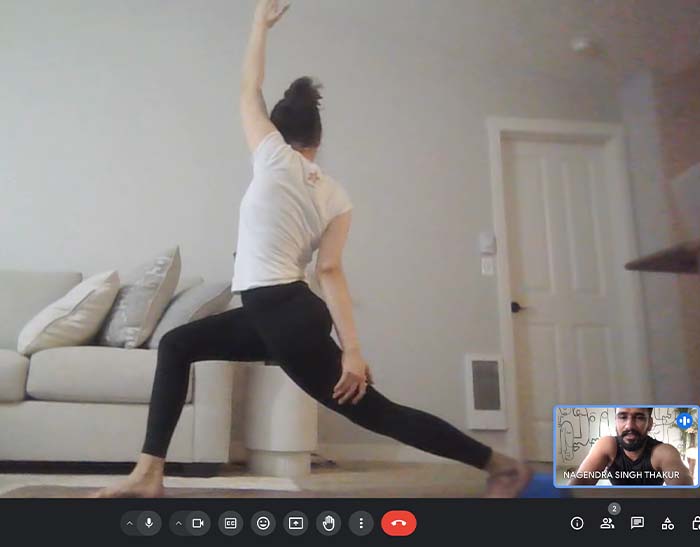
Our Yin Yoga classes are available in both online and offline formats, giving you the flexibility to practise in a way that suits your schedule and preferences.
Whether you are a beginner, an experienced yoga practitioner, or someone who wants to balance a busy lifestyle with a slower practice, Yin Yoga can be an opportunity to explore a different relationship with movement and stillness.
You do not need to be extremely flexible to start. You do not need to perform advanced poses or push yourself beyond your limits.
You simply need to begin where you are, listen to your body, and give yourself time.
Join Kshiti Yoga Studio for online or offline Yin Yoga classes and discover the benefits of mindful movement, gentle stretching, and self-awareness.
Stretch. Transform. Heal.
Final Thoughts: Give Yourself Time to Slow Down
We spend much of our lives trying to achieve more, move faster, and keep up with our responsibilities. In the process, we sometimes forget the importance of paying attention to ourselves.
Yin Yoga offers a different approach.
It invites you to slow down, become aware of your breathing, observe your thoughts, and listen to your body's sensations without constantly trying to change them.
You may notice areas of physical tension. You may become more aware of your thought patterns. You may simply enjoy a few quiet moments away from your everyday routine.
Every experience is different, and there is no single outcome you need to achieve.
The value of Yin Yoga lies in giving yourself the opportunity to pause and observe.
Sometimes, the most useful thing you can do is not push harder or move faster. It is to create a little space for yourself.
Start your Yin Yoga journey with Kshiti Yoga Studio, online or offline in Bhopal, and make time for movement, mindfulness, and self-connection.
Stretch. Transform. Heal.